66 High Street, Egham, TW20 9EY — on Egham High Street
Our approach

A Magical Early Years Experience ✨

Discover the importance of learning through play.

Our pedagogy

Our Pedagogy and Long-Term Curriculum

At our childcare setting, we believe that every child is a unique, capable, and curious learner. Our pedagogy is centred on nurturing children's confidence, independence, creativity, and love of learning through meaningful play, exploration, and positive relationships. We recognise that children learn best when they feel safe, valued, respected, and inspired, and we provide a rich, stimulating environment where every child can thrive.

Our long-term curriculum is carefully designed to build children's knowledge, skills, and understanding progressively across all areas of learning within the Early Years Foundation Stage (EYFS). Through a balance of child-led exploration and thoughtfully planned adult-guided experiences, we encourage children to investigate, question, create, solve problems, and develop resilience. We celebrate each child's interests while ensuring they are exposed to a broad range of experiences that prepare them for future learning.

By the time children leave our childcare setting to begin school, we aim for them to:

  • 1Be confident, happy, and resilient learners who are eager to explore new experiences.
  • 2Develop strong communication and language skills, enabling them to express their ideas, feelings, and needs effectively.
  • 3Build positive relationships, showing kindness, empathy, cooperation, and respect for others.
  • 4Become increasingly independent in managing their personal needs, making choices, and taking responsibility for their learning.
  • 5Develop early literacy and mathematical skills that provide a secure foundation for Reception.
  • 6Show curiosity about the world around them, asking questions, investigating, and making connections through play and discovery.
  • 7Demonstrate good physical development, coordination, and an understanding of how to keep themselves healthy and safe.
  • 8Develop creativity, imagination, and confidence in expressing themselves through art, music, movement, role play, and storytelling.
  • 9Understand and celebrate diversity, showing respect for different people, cultures, and communities.
  • 10Approach challenges with perseverance, confidence, and a positive attitude towards learning.

Above all, we want every child to leave our childcare setting with a strong sense of belonging, a belief in their own abilities, and the confidence to embrace the next stage of their educational journey. Our ambition is not only to prepare children for school but to equip them with the lifelong characteristics of effective learning — playing and exploring, active learning, and creating and thinking critically — that will support them throughout their lives.
Curriculum

Our curriculum is guided by children's interests, developmental needs and individual strengths. Through carefully planned activities and spontaneous learning opportunities, we support all areas of development. We encourage children to become curious, independent learners by providing hands-on experiences that inspire imagination, problem solving and critical thinking.

Experienced Practitioners

Our experienced practitioners carefully observe each child's progress and use these observations to plan activities that challenge and support their next steps in learning. We work closely with families to ensure every child receives consistent support both at home and within the setting.

We celebrate every achievement, big or small, helping children develop the skills, confidence and enthusiasm they need to flourish. Our philosophy reflects our belief that through joyful play and positive experiences, little minds can grow, thrive and bloom.

Imagination
Problem solving
Critical thinking
Independence
Our planning year

Year-round learning — November to October

Open all year round, including school holidays, with a two-week closure over Christmas and New Year. Our first planning year runs from November 2026 through October 2027, with a plan for every open week, mapped to the seven areas of learning in the EYFS statutory framework. Seasonal, religious and cultural events are woven into our learning throughout the year.

Planning closure: 21 December 2026–3 January 2027. Plans resume on 4 January 2027.

Autumn Term

2 November – 18 December 2026

Seven open weeks from November. Closed for two weeks over Christmas and New Year: 21 December–3 January.

Welcome to Bumble & BloomDiwali — Festival of LightsPoppies, Peace & Thank YouGuru Nanak — Kindness for EveryoneAdvent — Counting Down Together

Spring Term

4 January – 26 March 2027

Twelve weekly plans, including school half-term, Ramadan, Chinese New Year, Mothering Sunday and Eid al-Fitr. No school-holiday break.

New Year, New AdventuresSeeds, Trees & Growing ThingsLanterns & Dragons — Chinese New YearRamadan — Patience, Generosity & CommunityRainbows, Weather & Water

Summer Term

29 March – 23 July 2027

Seventeen individual weekly plans, including the school Easter and half-term holidays. Learning and daily outings continue throughout.

New Life & MinibeastsVaisakhi — Harvest, Dance & ThankfulnessVaisakhi — Harvest, Dance & ThankfulnessPassover, Earth Day & Caring for Our WorldPassover, Earth Day & Caring for Our World

Late Summer & Autumn

26 July – 29 October 2027

Fourteen weekly plans covering the summer school holidays, September and October, including half-term.

Light, Shadows & Celebrations

Weekly daily plans

Open all year round, including school holidays, with a two-week closure over Christmas and New Year.

Planning closure: 21 December 2026–3 January 2027. Plans resume on 4 January 2027.

Autumn Term — Week 1 (2–6 Nov): Welcome to Bumble & Bloom

Our opening week. Gentle settling-in sessions, getting to know our practitioners and each other, and building the routines that make children feel safe and belonged.

Occasion: Bonfire Night — Thursday 5 November

EYFS: PSED, Communication & Language

Makaton sign of the week

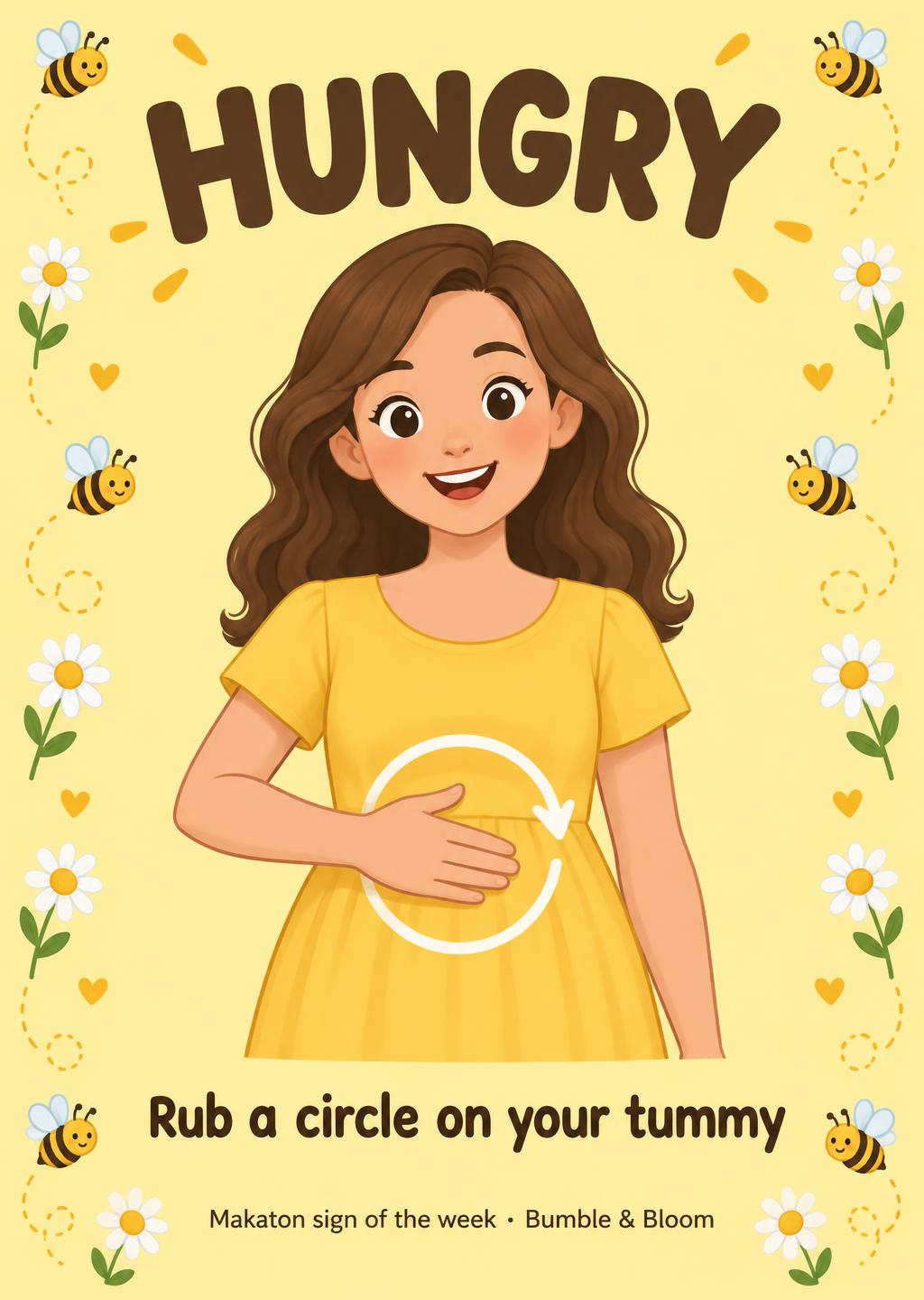
Hungry

Say the word alongside the sign during everyday play, meals and conversations.

Makaton sign poster for Hungry
Official Makaton resources

We aim to get out on our daily outings every day, but this depends on how the children are settling with us and on the weather. If we stay in, we plan a matching activity here instead.

Monday
  • 9:00amPark outing — Nature hunt — collect leaves, sticks and stones — linked to "Welcome to Bumble & Bloom"
  • 10:00amSnack — Self-serve snack and water at the park or on return
  • 10:30amArt activity — Self-portrait painting — explore mirrors and mix colours to paint ourselves
  • 12:00pmLunch — Children serve themselves; social mealtime
  • 12:00–2:00pmNaps & quiet time — Sleepers nap (safer sleep checks). Older children: Self-portrait painting and mirror play or story basket and puppet retelling
  • 2:00pmAfternoon play — Free flow play and family photo display and 'my special people' talk time
  • 4:30pmDinner — Home-cooked dinner together
  • 5:30pmHome time — Handover to parents and finish the day
Tuesday
  • 9:00amPark outing — Ball skills and running games on the grass — linked to "Welcome to Bumble & Bloom"
  • 10:00amSnack — Self-serve snack and water at the park or on return
  • 10:30amArt activity — Friendship collage — arrange recycled paper shapes into a picture of our new friends
  • 12:00pmLunch — Children serve themselves; social mealtime
  • 12:00–2:00pmNaps & quiet time — Sleepers nap (safer sleep checks). Older children: Name recognition games and welcome songs or playdough and fine-motor tray
  • 2:00pmNo-bake cooking class — No-cook baking: firework biscuits — decorate ready-made vegan biscuits with colourful icing trails and soft fruit; check allergies and prepare toppings safely for each child's age. Wash hands, check allergies, use vegan ingredients and prepare soft toppings and textures safely for each child's age; supervise throughout. No heat or raw flour.
  • 4:30pmDinner — Home-cooked dinner together
  • 5:30pmHome time — Handover to parents and finish the day
Wednesday
  • 9:00amPark outing — Climbing frame and balance play — linked to "Welcome to Bumble & Bloom"
  • 10:00amSnack — Self-serve snack and water at the park or on return
  • 10:30amArt activity — Sponge-print night skies — stamp stars and bright colours onto dark paper
  • 12:00pmLunch — Children serve themselves; social mealtime
  • 12:00–2:00pmNaps & quiet time — Sleepers nap (safer sleep checks). Older children: Chalk smash firework art — adults crush chalk in a sealed bag away from children; children press and rub the colours onto paper without raising dust or mark making and drawing
  • 2:00pmAfternoon play — Free flow play and name recognition games and welcome songs
  • 4:30pmDinner — Home-cooked dinner together
  • 5:30pmHome time — Handover to parents and finish the day
Thursday
  • 9:00amPark outing — Listening walk — what can we hear? — linked to "Welcome to Bumble & Bloom"
  • 10:00amSnack — Self-serve snack and water at the park or on return
  • 10:30amArt activity — Chalk smash firework art — adults crush chalk in a sealed bag away from children; children press and rub the colours onto paper without raising dust
  • 12:00pmLunch — Children serve themselves; social mealtime
  • 12:00–2:00pmNaps & quiet time — Sleepers nap (safer sleep checks). Older children: Glitter fireworks — make glue trails on dark paper and sprinkle plastic-free, child-safe eco-glitter with close adult supervision; younger children use bright tissue-paper strips instead or puzzles, threading and matching games
  • 2:00pmNo-bake cooking class — Colourful fruit and yoghurt pots — spoon plant-based yoghurt and soft, safely prepared fruit into pots; explore colours, counting and patterns linked to "Welcome to Bumble & Bloom". Wash hands, check allergies, use vegan ingredients and prepare soft toppings and textures safely for each child's age; supervise throughout. No heat or raw flour.
  • 4:30pmDinner — Home-cooked dinner together
  • 5:30pmHome time — Handover to parents and finish the day
Friday
  • 9:00amPark outing — Bubbles, chalk and parachute games — linked to "Welcome to Bumble & Bloom"
  • 10:00amSnack — Self-serve snack and water at the park or on return
  • 10:30amArt activity — Glitter fireworks — make glue trails and sprinkle plastic-free, child-safe eco-glitter with close supervision; younger children use bright tissue-paper strips instead
  • 12:00pmLunch — Children serve themselves; social mealtime
  • 12:00–2:00pmNaps & quiet time — Sleepers nap (safer sleep checks). Older children: Bonfire-night talk: what we hear and see in the dark, and how we stay safe or small-world and construction play
  • 2:00pmAfternoon play — Free flow play and glitter fireworks — make glue trails on dark paper and sprinkle plastic-free, child-safe eco-glitter with close adult supervision; younger children use bright tissue-paper strips instead
  • 4:30pmDinner — Home-cooked dinner together
  • 5:30pmHome time — Handover to parents and finish the day
Autumn Term

2 November – 18 December 2026

Seven open weeks from November. Closed for two weeks over Christmas and New Year: 21 December–3 January.

Week 1 · 2–6 Nov

Welcome to Bumble & Bloom

1
Bonfire Night — Thursday 5 November

Our opening week. Gentle settling-in sessions, getting to know our practitioners and each other, and building the routines that make children feel safe and belonged.

Makaton sign of the week: Hungry

Makaton sign poster for Hungry
EYFS focus areas
PSEDCommunication & Language
Sample activities
  • •Family photo display and 'my special people' talk time
  • •Self-portrait painting and mirror play
  • •Name recognition games and welcome songs
  • •Chalk smash firework art — adults crush chalk in a sealed bag away from children; children press and rub the colours onto paper without raising dust
  • •Glitter fireworks — make glue trails on dark paper and sprinkle plastic-free, child-safe eco-glitter with close adult supervision; younger children use bright tissue-paper strips instead
  • •Bonfire-night talk: what we hear and see in the dark, and how we stay safe
  • •No-cook baking: firework biscuits — decorate ready-made vegan biscuits with colourful icing trails and soft fruit; check allergies and prepare toppings safely for each child's age
Week 2 · 9–13 Nov

Diwali — Festival of Lights

2
Diwali — Sunday 8 November

The triumph of light over darkness and good over evil, told through the story of Rama and Sita. Bright colours, glowing lamps and the joy of welcoming people in.

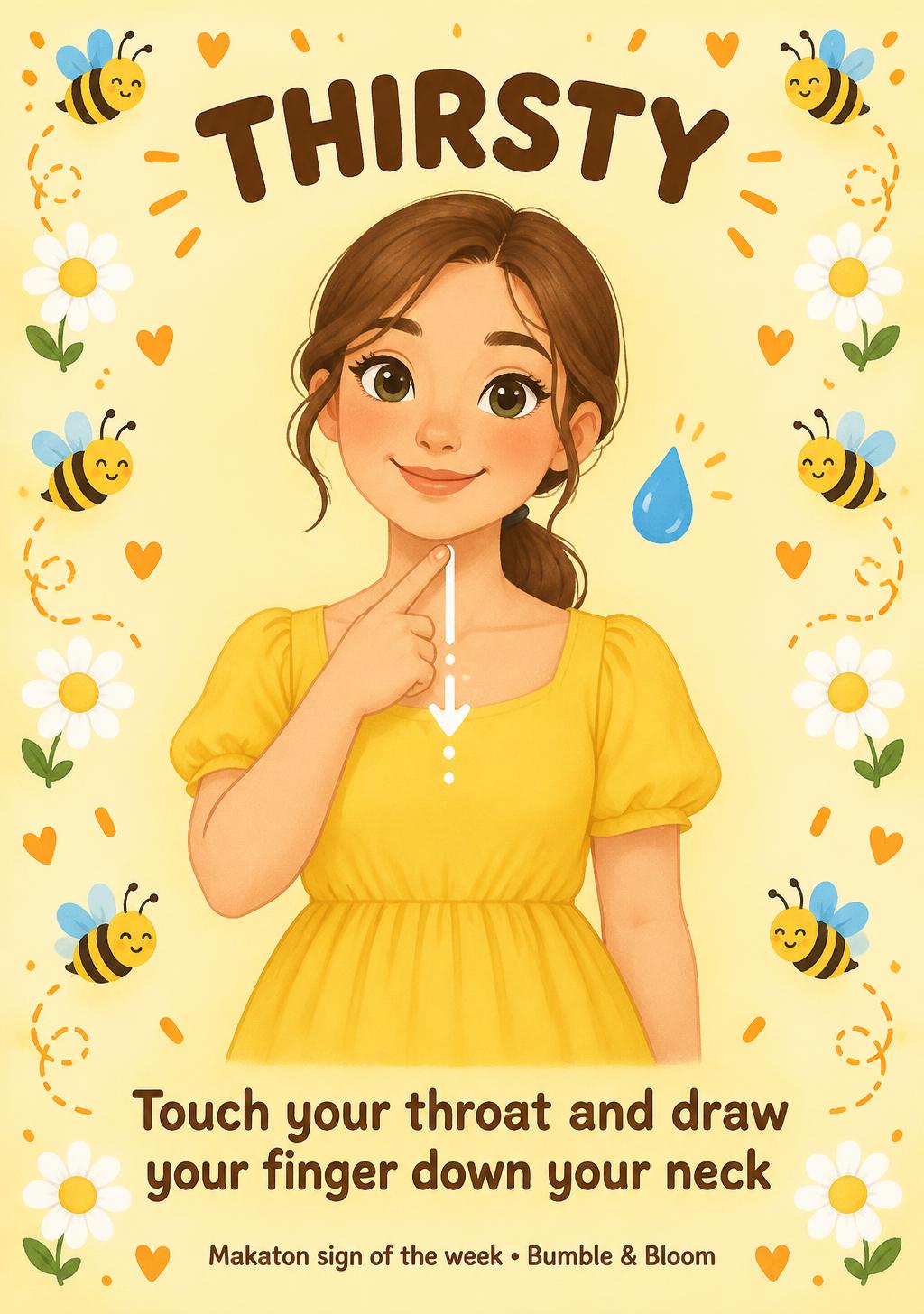
Makaton sign of the week: Thirsty

Makaton sign poster for Thirsty
EYFS focus areas
Understanding the WorldExpressive Arts & Design
Sample activities
  • •Salt-dough diva lamps and candle-safe window displays
  • •Rangoli patterns with coloured rice, lentils and flower petals
  • •Indian music, bells and ribbon dance
  • •Diwali storybooks and a photo wall of our families' celebrations
  • •No-cook baking: edible rangoli — spread plant-based yoghurt on a plate and arrange soft, safely prepared fruit into colourful patterns; check allergies
Week 3 · 16–20 Nov

Poppies, Peace & Thank You

3
Remembrance — poppies and a minute of quiet

A gentle, age-appropriate look at remembrance and at the people who help us — with poppies, quiet moments and letters of thanks.

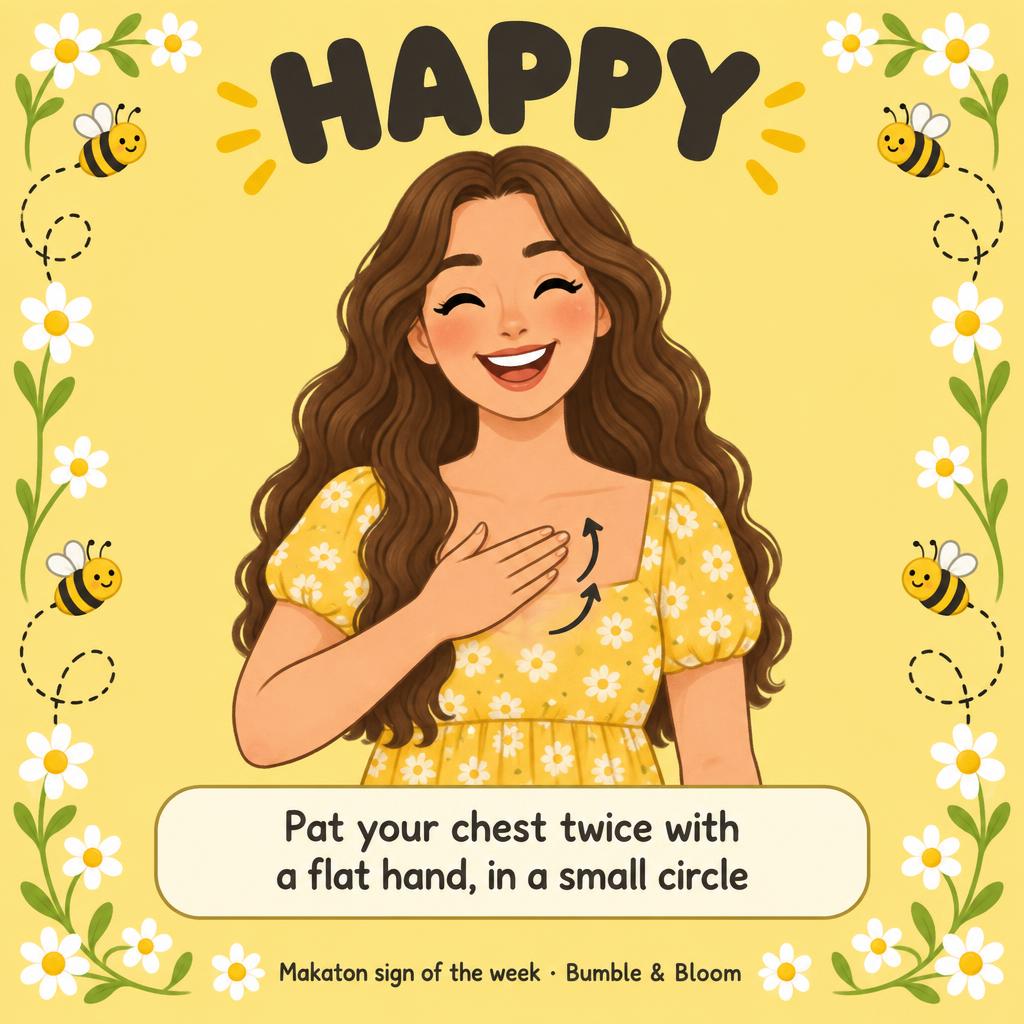
Makaton sign of the week: Happy

Makaton sign poster for Happy
EYFS focus areas
PSEDCommunication & Language
Sample activities
  • •Petal-printing poppies for our display
  • •Thank-you cards for the fire service, our care home and the post office
  • •'Kindness tree' — hanging notes about kind acts we noticed
  • •A calm peace corner with a breathing buddy and soft lamp
Week 4 · 23–27 Nov

Guru Nanak — Kindness for Everyone

4
Guru Nanak Jayanti — Tuesday 24 November

The life and teachings of Guru Nanak, founder of Sikhism: everyone is equal, everyone is welcome, and we all share what we have.

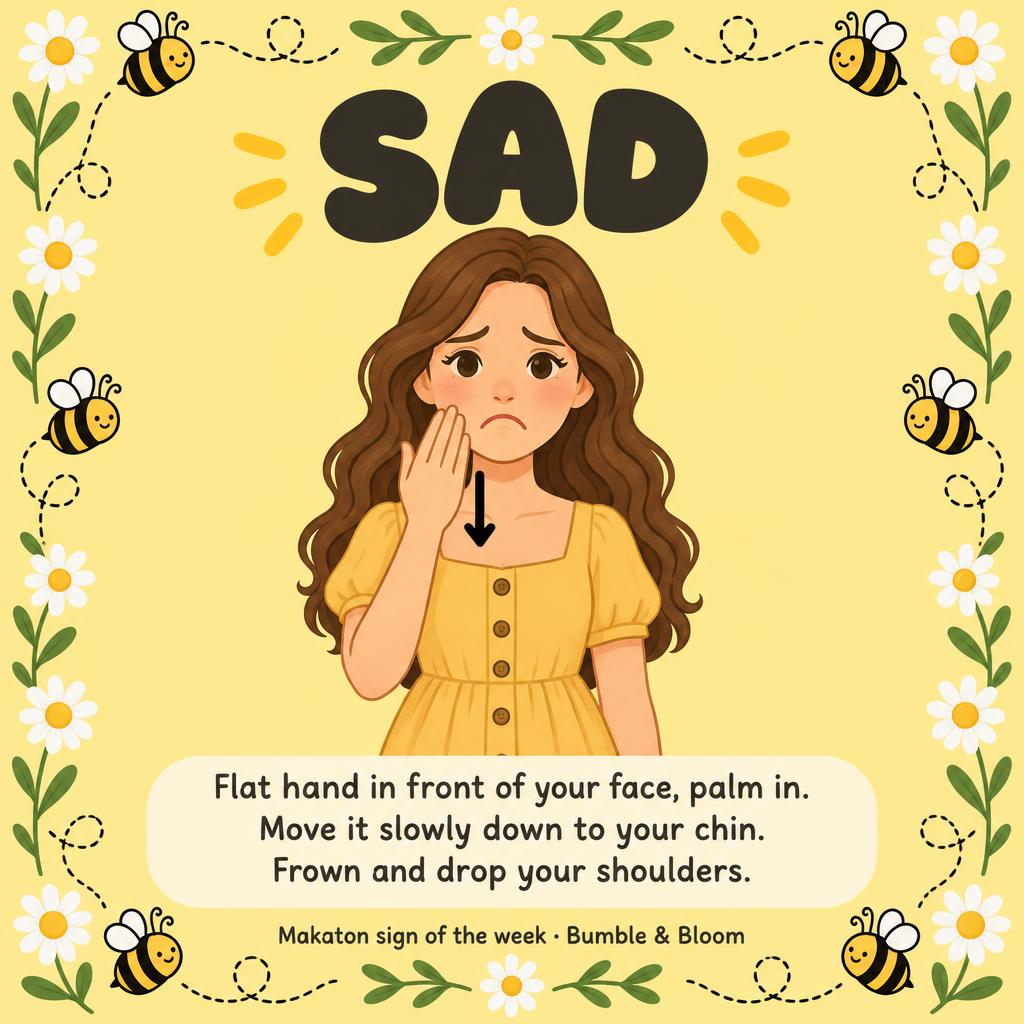
Makaton sign of the week: Sad

Makaton sign poster for Sad
EYFS focus areas
PSEDUnderstanding the World
Sample activities
  • •A 'langar' snack table where every child is served and everyone is welcome
  • •Sharing fruit and bread from around the world
  • •The story of Guru Nanak and the hungry travellers
  • •Sorting and weighing our shared snack — who gets what?
Week 5 · 30 Nov–4 Dec

Advent — Counting Down Together

5
Advent begins Sunday 29 November · Hanukkah starts Friday 4 December

Learning to wait, to hope and to notice light in the darkest weeks of the year — with our advent calendar and a lantern walk.

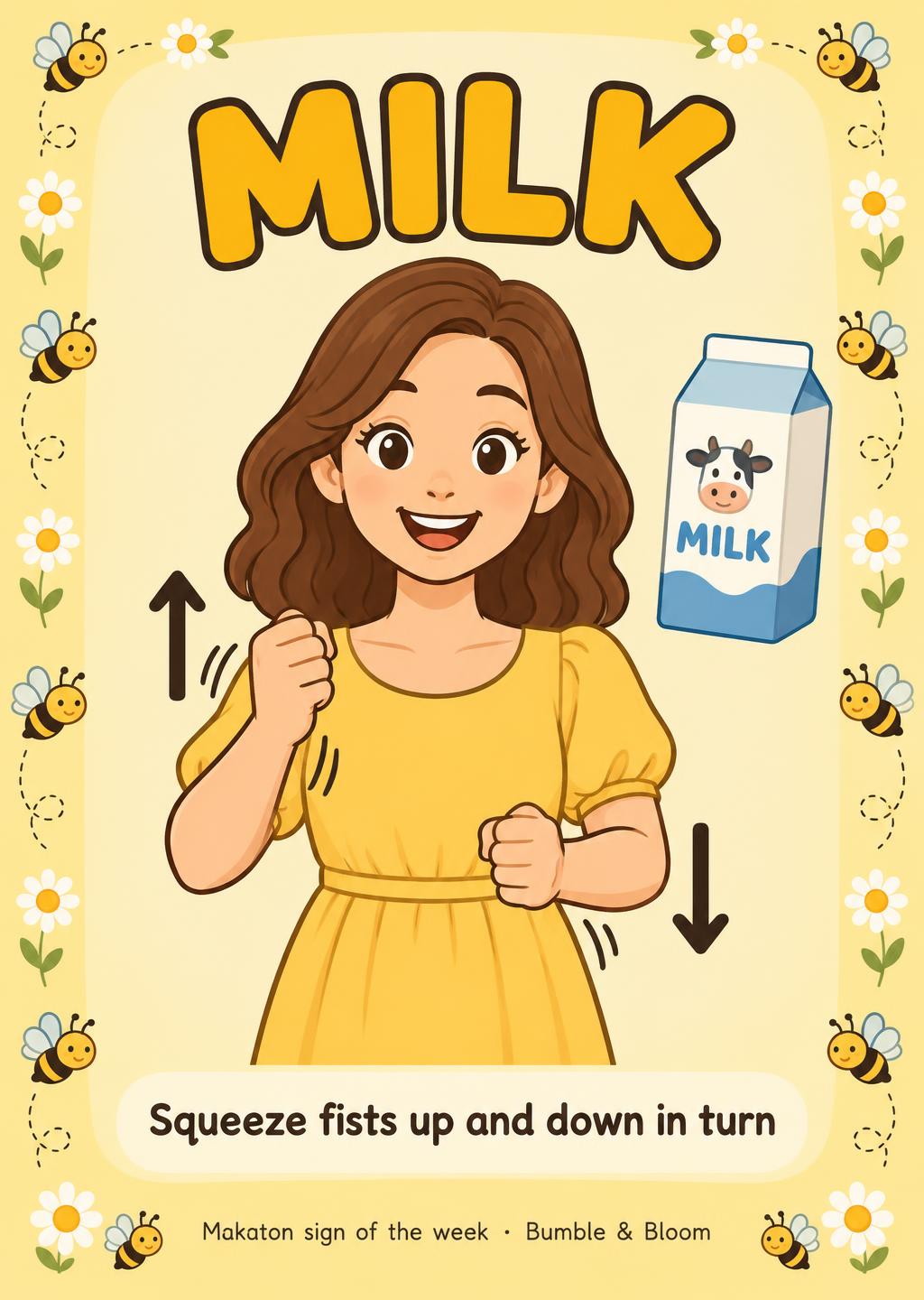
Makaton sign of the week: Milk

Makaton sign poster for Milk
EYFS focus areas
PSEDCommunication & Language
Sample activities
  • •Opening advent door one and singing our welcome carol
  • •Making a paper-chain countdown for the door
  • •Candle-safe lantern making and a dusk walk
  • •Talking about waiting, patience and surprises
Week 6 · 7–11 Dec

Hanukkah — Eight Nights of Light

6
Hanukkah — 4 to 12 December

The Jewish festival of rededication: a small jar of oil that lasted eight nights, a menorah lit a little brighter each evening, and games played together.

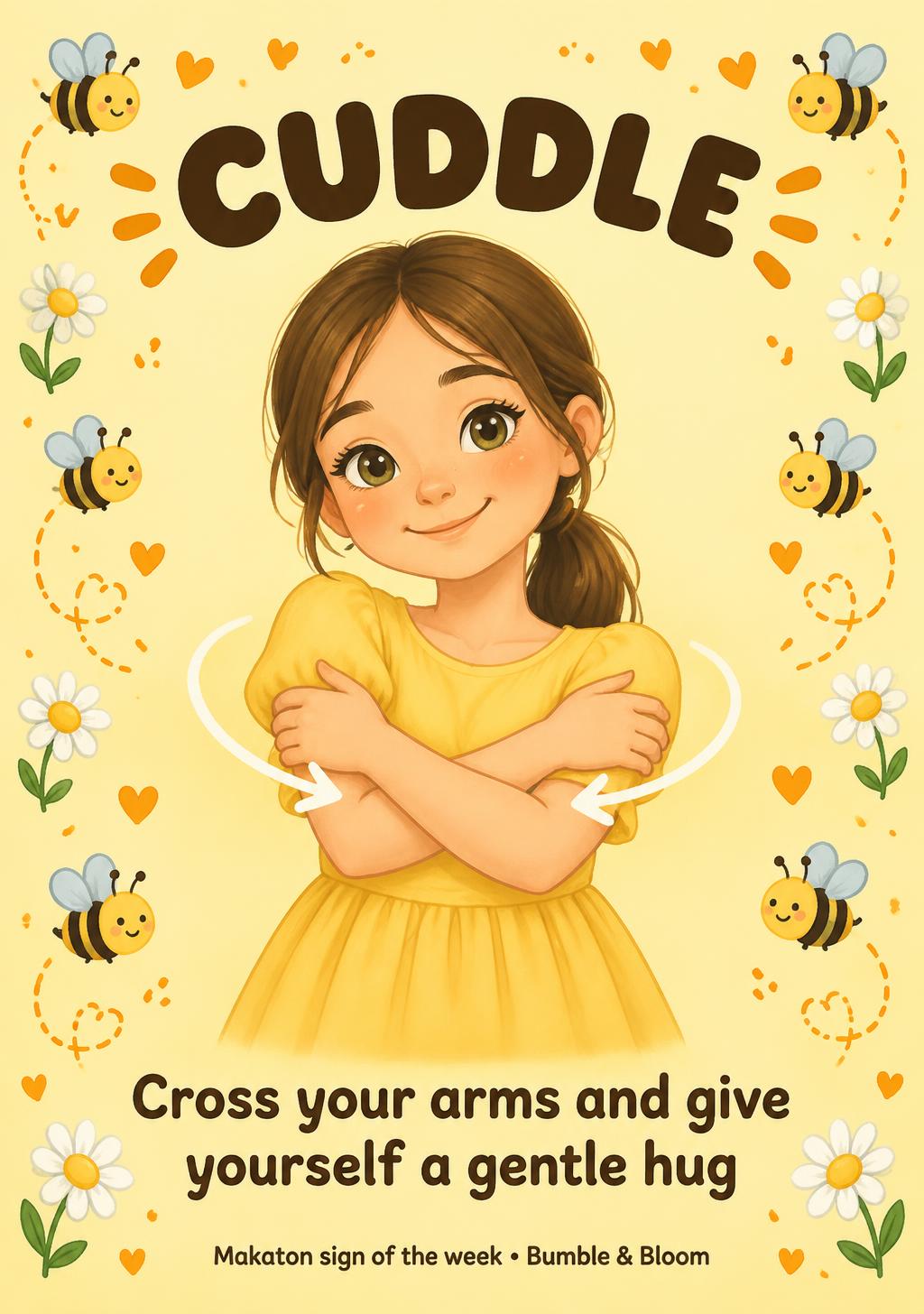
Makaton sign of the week: Cuddle

Makaton sign poster for Cuddle
EYFS focus areas
Understanding the WorldMathematics
Sample activities
  • •Making paper menorahs with eight candles plus one
  • •Playing dreidel and sorting the tokens
  • •Counting to eight on our number line
  • •Potato-print 'latkes' and apple tasting
Week 7 · 14–18 Dec

The Christmas Story

7
Nativity stories, carols and candles

Sharing the nativity simply and warmly — stars, shepherds, animals and the joy of welcoming a new baby — alongside songs from many traditions.

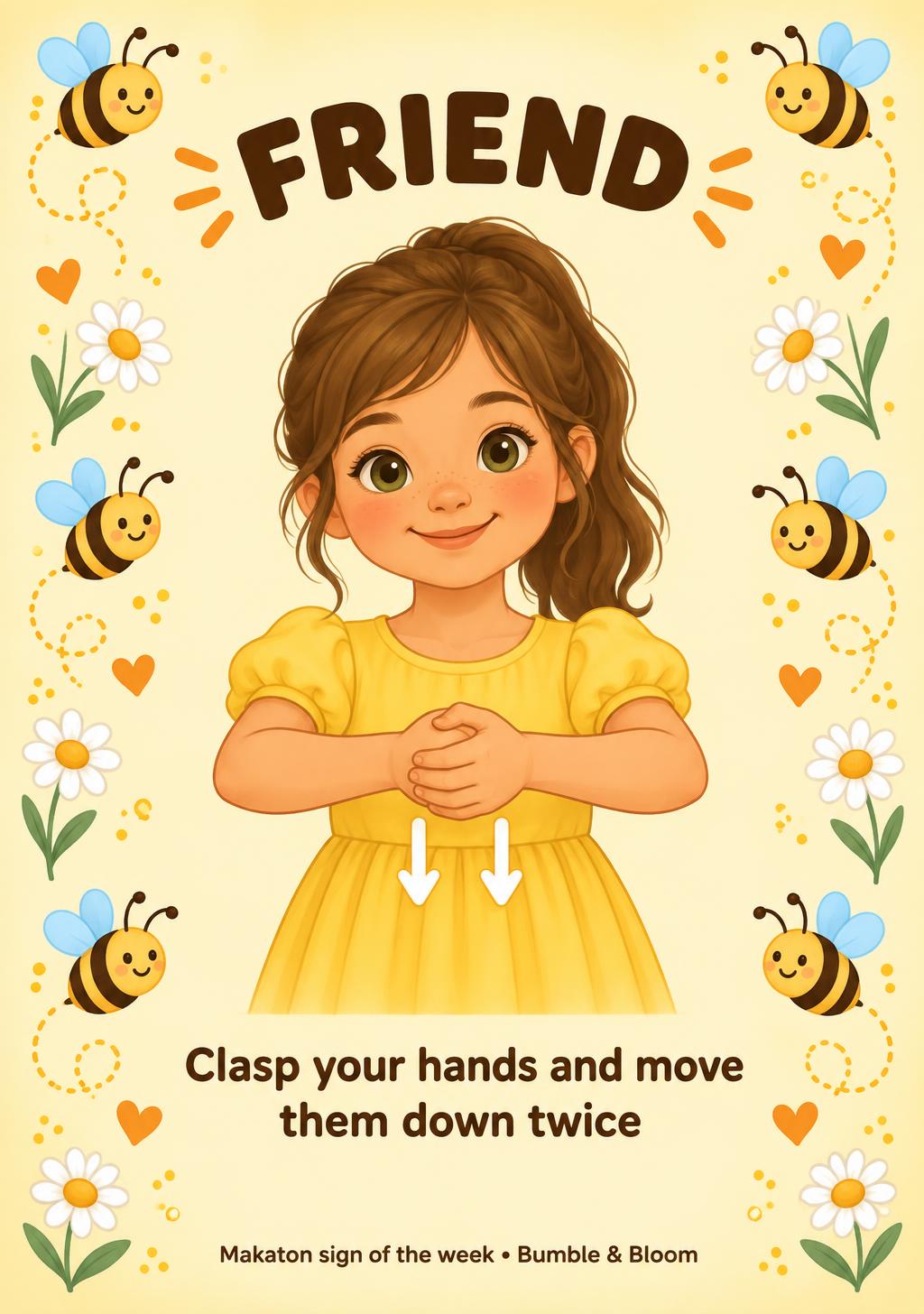
Makaton sign of the week: Friend

Makaton sign poster for Friend
EYFS focus areas
Communication & LanguageUnderstanding the World
Sample activities
  • •Small-world nativity retelling with our own figures
  • •Building a stable from blocks and cardboard
  • •Star biscuit decorating
  • •Learning simple carols and jingle songs
  • •No-cook baking: festive biscuit decorating — use ready-made vegan biscuits, icing and soft fruit; check allergies and prepare age-appropriate toppings
Spring Term

4 January – 26 March 2027

Twelve weekly plans, including school half-term, Ramadan, Chinese New Year, Mothering Sunday and Eid al-Fitr. No school-holiday break.

Week 1 · 4–8 Jan

New Year, New Adventures

1
New Year's Day · Twelfth Night, 6 January

Settling back after Christmas, sharing our news, and thinking about what we would like to try, learn and become braver at this year.

Makaton sign of the week: To be confirmed

EYFS focus areas
Communication & LanguagePSED
Sample activities
  • •'All about my Christmas' talk time and drawing
  • •Making a class wish jar for the year ahead
  • •Twelfth Night cake and a candle to close the festive season
  • •Setting our golden rules together
Week 2 · 11–15 Jan

My Family, My Story

2

Families come in every shape — and every one of them is special. Celebrating the people, languages and traditions that make a house a home.

Makaton sign of the week: To be confirmed

EYFS focus areas
PSEDCommunication & Language
Sample activities
  • •Family portraits using skin-tone paint mixing
  • •Bringing a special family object to show and tell
  • •Hello songs in every language spoken in our setting
  • •Our growing family collage wall
Week 3 · 18–22 Jan

Seeds, Trees & Growing Things

3
Tu B'Shevat — the Jewish New Year for Trees, 22 to 23 January

Trees give us so much — fruit, shade, homes for birds and clean air. We plant, water and watch, and learn to care for living things.

Makaton sign of the week: To be confirmed

EYFS focus areas
Understanding the WorldPhysical Development
Sample activities
  • •Planting cress, beans and sunflower seeds to take root
  • •A Tu B'Shevat tasting of fruits and nuts from the land of Israel and beyond
  • •Hugging, measuring and drawing our favourite tree on the walk
  • •Caring for our classroom plant — who needs water today?
Week 4 · 25–29 Jan

Snow, Ice & Winter Homes

4

What happens to minibeasts and animals when the weather turns cold? Frozen investigations, dens and plenty of cold-weather curiosity.

Makaton sign of the week: To be confirmed

EYFS focus areas
Understanding the WorldPhysical Development
Sample activities
  • •Freezing toys in ice and rescuing them with warm water
  • •Building dens for woodland animals from natural materials
  • •Snow dough, salt dough icicles and torch light
  • •Making snow-globe jars and watching them settle
  • •No-cook baking: winter oat squares — mix ready-to-eat oats, mashed banana and plant-based yoghurt, press into a tray and chill; check allergies and adapt texture for each child
Week 5 · 1–5 Feb

Lanterns & Dragons — Chinese New Year

5
Chinese New Year begins Saturday 6 February — Year of the Goat

The Spring Festival: the Great Race of the zodiac animals, red and gold everywhere, family feasts and welcoming good fortune.

Makaton sign of the week: To be confirmed

EYFS focus areas
Expressive Arts & DesignCommunication & Language
Sample activities
  • •Making red lanterns and puppet dragons
  • •The Great Race story and finding our zodiac animals
  • •Noodle play and chopstick fine-motor challenges
  • •Counting fortune cookies and sharing oranges
Week 6 · 8–12 Feb

Ramadan — Patience, Generosity & Community

6
Ramadan begins around 8 February · Shrove Tuesday 9 February · Ash Wednesday 10 February

Muslims fast through the daylight hours, pray, read the Qur'an and give to others. We talk about waiting, kindness and family iftar tables — and about Lent for our Christian friends.

Makaton sign of the week: To be confirmed

EYFS focus areas
PSEDUnderstanding the World
Sample activities
  • •What it feels like to wait: a gentle empathy game about thirst and hunger
  • •Making a Ramadan lantern and a 'good deeds' chart
  • •Flipping pancakes for Shrove Tuesday
  • •Exploring a prayer mat, rosary beads and a simple Lent promise jar
Week 7 · 15–19 Feb

Owls, Moths & the Night Sky

7

Who is awake when we are asleep? Nocturnal animals, moon shapes and the magic of a room with the lights low.

Makaton sign of the week: To be confirmed

EYFS focus areas
Understanding the WorldExpressive Arts & Design
Sample activities
  • •Making an owl from twigs, leaves and feathers
  • •Shadow play in our dark den with torches
  • •Moon-phase biscuits and a sky collage of sparkly loose parts
  • •Owl-stretch yoga and quiet bedtime songs
Week 8 · 22–26 Feb

Where in the World Do We Come From?

8

Our families have travelled from many places to reach Egham. Maps, suitcases, journeys and the stories of how we all arrived.

Makaton sign of the week: To be confirmed

EYFS focus areas
Understanding the WorldMathematics
Sample activities
  • •A big floor map and flag-colour bunting for our door
  • •Suitcase role-play, tickets and 'passport' stamps
  • •Walking the globe: stretch, swim, climb and hop to each continent
  • •Comparing homes, clothes and foods in other countries
Week 9 · 1–5 Mar

Rainbows, Weather & Water

9
The special closing nights of Ramadan, from around 28 February · World Book Day

Sun, wind and rain make the world move. We chase sunbows, fill buckets and measure the sky.

Makaton sign of the week: To be confirmed

EYFS focus areas
Understanding the WorldMathematics
Sample activities
  • •Making a class rainbow with coloured water and syringes
  • •Wind socks, fans and paper aeroplanes
  • •Pouring, filling and comparing water quantities
  • •Dressing up as our favourite story character for World Book Day
  • •No-cook baking: rainbow fruit pots — layer plant-based yoghurt with soft, safely prepared colourful fruit; practise counting and colour names, and check allergies
Week 10 · 8–12 Mar

Eid Mubarak! Celebrating Together

10
Eid al-Fitr — around 9 to 10 March

The joy that ends Ramadan: new clothes, gifts, sweets, visits and gratitude. We learn the greeting and share in the happiness.

Makaton sign of the week: To be confirmed

EYFS focus areas
PSEDCommunication & Language
Sample activities
  • •Learning to say 'Eid Mubarak' to our friends
  • •Making Eid cards and little gift bags for families
  • •Henna-style patterns painted with cones
  • •Sharing Eid treats brought in by our families
Week 11 · 15–19 Mar

People Who Love Us

11
Mothering Sunday, 14 March · St Patrick's Day, 17 March

The grown-ups who care for us every day. Gratitude, helping hands and the flowers and symbols of our four nations.

Makaton sign of the week: To be confirmed

EYFS focus areas
PSEDExpressive Arts & Design
Sample activities
  • •A card and a keepsake for my special person
  • •Pretend breakfast in bed in our role-play kitchen
  • •Shamrocks, roses, thistles and daffodils — our four nations
  • •'Who helps me?' photo talk and thank-you songs
Week 12 · 22–26 Mar

New Life — Holi, Purim & Easter

12
Holi, 22 March · Purim, 23 March · Good Friday 26 March & Easter Sunday 28 March

Colour, costumes and the Easter story of new life, told simply and warmly. Learning continues through the school Easter holidays.

Makaton sign of the week: To be confirmed

EYFS focus areas
Understanding the WorldExpressive Arts & Design
Sample activities
  • •Safe, homemade colour-powder play for Holi outdoors
  • •Masks, treats and the story of Queen Esther for Purim
  • •Decorating eggs and an Easter-egg hunt on our outing
  • •Telling the Easter story with simple props and planting a seed patch
Summer Term

29 March – 23 July 2027

Seventeen individual weekly plans, including the school Easter and half-term holidays. Learning and daily outings continue throughout.

Week 1 · 29 Mar–2 Apr

New Life & Minibeasts

1
Easter Monday — 29 March

Into longer days, with learning continuing through the school holidays. Bugs, worms and snails wake up alongside our daily outings.

Makaton sign of the week: To be confirmed

EYFS focus areas
Understanding the WorldPSED
Sample activities
  • •Bug hunting and counting on our local walk
  • •Making a worm jar and learning how worms help soil
  • •Sorting and measuring snail shells
  • •A 'welcome back' circle and reading our spring wish jars
Week 2 · 5–9 Apr

Vaisakhi — Harvest, Dance & Thankfulness

2
Vaisakhi — Wednesday 14 April

The Sikh new year and harvest festival: gratitude for the crop, joyful bhangra dancing, and the community spirit of the gurdwara.

Makaton sign of the week: To be confirmed

EYFS focus areas
Physical DevelopmentUnderstanding the World
Sample activities
  • •Learning bhangra moves with ribbons and dhol beats
  • •Making khanda symbols with play dough and seeds
  • •A harvest-style sharing table of fruit and vegetables
  • •Listening to the story of Vaisakhi and the five beloved ones
Week 3 · 12–16 Apr

Vaisakhi — Harvest, Dance & Thankfulness

3
Vaisakhi — Wednesday 14 April

The Sikh new year and harvest festival: gratitude for the crop, joyful bhangra dancing, and the community spirit of the gurdwara. Build on last week's discoveries with new materials, collaborative play and children's own ideas.

Makaton sign of the week: To be confirmed

EYFS focus areas
Physical DevelopmentUnderstanding the World
Sample activities
  • •Learning bhangra moves with ribbons and dhol beats
  • •Making khanda symbols with play dough and seeds
  • •A harvest-style sharing table of fruit and vegetables
  • •Listening to the story of Vaisakhi and the five beloved ones
Week 4 · 19–23 Apr

Passover, Earth Day & Caring for Our World

4
Passover begins 21 April · Earth Day, 22 April · St George's Day, 23 April

The Jewish story of Exodus and freedom, alongside our promise to look after the planet we share.

Makaton sign of the week: To be confirmed

EYFS focus areas
Understanding the WorldPSED
Sample activities
  • •Making and tasting unleavened matzah bread
  • •A simple Seder plate of story foods and the Exodus tale
  • •A no-single-use-plastic week and a litter pick on our outing
  • •Planting our herb corner for Earth Day
Week 5 · 26–30 Apr

Passover, Earth Day & Caring for Our World

5
Passover begins 21 April · Earth Day, 22 April · St George's Day, 23 April

The Jewish story of Exodus and freedom, alongside our promise to look after the planet we share. Build on last week's discoveries with new materials, collaborative play and children's own ideas.

Makaton sign of the week: To be confirmed

EYFS focus areas
Understanding the WorldPSED
Sample activities
  • •Making and tasting unleavened matzah bread
  • •A simple Seder plate of story foods and the Exodus tale
  • •A no-single-use-plastic week and a litter pick on our outing
  • •Planting our herb corner for Earth Day
Week 6 · 3–7 May

Bunnies, Lambs & Growing Babies

6
Ascension Day — Thursday 6 May

New life everywhere. Where do babies come from, how do they grow, and how do we care for something smaller than us?

Makaton sign of the week: To be confirmed

EYFS focus areas
Understanding the WorldPSED
Sample activities
  • •Meeting lambs and bunnies on our farm outing
  • •Covering a lamb in wool and comparing textures
  • •Measuring our own growth on the height chart
  • •A 'baby care' role-play home with dolls and bottles
Week 7 · 10–14 May

Bunnies, Lambs & Growing Babies

7
Ascension Day — Thursday 6 May

New life everywhere. Where do babies come from, how do they grow, and how do we care for something smaller than us? Build on last week's discoveries with new materials, collaborative play and children's own ideas.

Makaton sign of the week: To be confirmed

EYFS focus areas
Understanding the WorldPSED
Sample activities
  • •Meeting lambs and bunnies on our farm outing
  • •Covering a lamb in wool and comparing textures
  • •Measuring our own growth on the height chart
  • •A 'baby care' role-play home with dolls and bottles
Week 8 · 17–21 May

Sharing & Kindness — Eid al-Adha and Vesak

8
Eid al-Adha, around 16 to 17 May · Vesak, Buddha Day, 20 May

Two great lessons in generosity: Muslims sharing meat in three parts with family, friends and neighbours, and Buddhists honouring the Buddha with kindness to all living things.

Makaton sign of the week: To be confirmed

EYFS focus areas
PSEDUnderstanding the World
Sample activities
  • •Sharing a special feast and giving a plate to our neighbours
  • •Learning the 'thirds' of Eid al-Adha with real food props
  • •Making paper lotus flowers and a kindness mandala
  • •Caring gently for our class plants and pet
Week 9 · 24–28 May

Sharing & Kindness — Eid al-Adha and Vesak

9
Eid al-Adha, around 16 to 17 May · Vesak, Buddha Day, 20 May

Two great lessons in generosity: Muslims sharing meat in three parts with family, friends and neighbours, and Buddhists honouring the Buddha with kindness to all living things. Build on last week's discoveries with new materials, collaborative play and children's own ideas.

Makaton sign of the week: To be confirmed

EYFS focus areas
PSEDUnderstanding the World
Sample activities
  • •Sharing a special feast and giving a plate to our neighbours
  • •Learning the 'thirds' of Eid al-Adha with real food props
  • •Making paper lotus flowers and a kindness mandala
  • •Caring gently for our class plants and pet
Week 10 · 31 May–4 Jun

Rainforests, Jungles & Habitats

10

Animals from every corner of the world, what they need to survive, and how we can protect the places they live.

Makaton sign of the week: To be confirmed

EYFS focus areas
Understanding the WorldMathematics
Sample activities
  • •Building a rainforest habitat from loose parts and fabric
  • •Animal walks, sorting and matching animals to their homes
  • •Making a jaguar from natural materials
  • •A jungle obstacle course of climbs, swings and balance beams
Week 11 · 7–11 Jun

Rainforests, Jungles & Habitats

11

Animals from every corner of the world, what they need to survive, and how we can protect the places they live. Build on last week's discoveries with new materials, collaborative play and children's own ideas.

Makaton sign of the week: To be confirmed

EYFS focus areas
Understanding the WorldMathematics
Sample activities
  • •Building a rainforest habitat from loose parts and fabric
  • •Animal walks, sorting and matching animals to their homes
  • •Making a jaguar from natural materials
  • •A jungle obstacle course of climbs, swings and balance beams
Week 12 · 14–18 Jun

Sun, Sea & Sand

12
Father's Day, 20 June · Summer solstice, 21 June

The longest days of the year. Sun safety, water and sand play, and celebrating the grown-ups who look after us.

Makaton sign of the week: To be confirmed

EYFS focus areas
Physical DevelopmentPSED
Sample activities
  • •A card and a breakfast treat for Dad or a special grown-up
  • •Our sun-safety check before every single outing
  • •Sand, water and mud-kitchen engineering
  • •Shadow experiments at midday and sundial play
Week 13 · 21–25 Jun

Sun, Sea & Sand

13
Father's Day, 20 June · Summer solstice, 21 June

The longest days of the year. Sun safety, water and sand play, and celebrating the grown-ups who look after us. Build on last week's discoveries with new materials, collaborative play and children's own ideas.

Makaton sign of the week: To be confirmed

EYFS focus areas
Physical DevelopmentPSED
Sample activities
  • •A card and a breakfast treat for Dad or a special grown-up
  • •Our sun-safety check before every single outing
  • •Sand, water and mud-kitchen engineering
  • •Shadow experiments at midday and sundial play
Week 14 · 28 Jun–2 Jul

Our Wider Community

14

Egham is our classroom. Library trips, the High Street, the fire station and the park — with independence and road safety growing all the time.

Makaton sign of the week: To be confirmed

EYFS focus areas
Understanding the WorldCommunication & Language
Sample activities
  • •A walk to the library and choosing our own books
  • •Planning our own outing with a photo map and a shopping list
  • •Meeting a community helper and asking our questions
  • •A picnic, stories and a bubble-blowing afternoon in the park
Week 15 · 5–9 Jul

Our Wider Community

15

Egham is our classroom. Library trips, the High Street, the fire station and the park — with independence and road safety growing all the time. Build on last week's discoveries with new materials, collaborative play and children's own ideas.

Makaton sign of the week: To be confirmed

EYFS focus areas
Understanding the WorldCommunication & Language
Sample activities
  • •A walk to the library and choosing our own books
  • •Planning our own outing with a photo map and a shopping list
  • •Meeting a community helper and asking our questions
  • •A picnic, stories and a bubble-blowing afternoon in the park
Week 16 · 12–16 Jul

Our First Year Blooms

16
End of our first year together

Looking back on how far we have come since November, saying a happy goodbye to our friends heading to Reception, and celebrating our first year together.

Makaton sign of the week: To be confirmed

EYFS focus areas
PSEDLiteracy
Sample activities
  • •Binding our 'all about me' books to take home
  • •A graduation tea party and a photo wall of our year
  • •Sharing our learning journals with every family
  • •A memory box for each child to carry into their next setting
  • •No-cook baking: celebration biscuit decorating — ready-made vegan biscuits, icing and soft fruit for our tea party; check allergies and prepare age-appropriate toppings
Week 17 · 19–23 Jul

Our First Year Blooms

17
End of our first year together

Looking back on how far we have come since November, saying a happy goodbye to our friends heading to Reception, and celebrating our first year together. Build on last week's discoveries with new materials, collaborative play and children's own ideas.

Makaton sign of the week: To be confirmed

EYFS focus areas
PSEDLiteracy
Sample activities
  • •Binding our 'all about me' books to take home
  • •A graduation tea party and a photo wall of our year
  • •Sharing our learning journals with every family
  • •A memory box for each child to carry into their next setting
  • •No-cook baking: celebration biscuit decorating — ready-made vegan biscuits, icing and soft fruit for our tea party; check allergies and prepare age-appropriate toppings
Late Summer & Autumn

26 July – 29 October 2027

Fourteen weekly plans covering the summer school holidays, September and October, including half-term.

Week 1 · 26–30 Jul

Summer Explorers

1

Discover seasonal changes and practise outdoor exploration.

Makaton sign of the week: To be confirmed

EYFS focus areas
Expressive Arts & DesignUnderstanding the WorldCommunication & Language
Sample activities
  • •Nature colour hunt
  • •Leaf rubbing
  • •Build a shady den
  • •Summer story picnic
Week 2 · 2–6 Aug

Water, Floating & Sinking

2

Investigate water through prediction and supervised experiments.

Makaton sign of the week: To be confirmed

EYFS focus areas
Expressive Arts & DesignUnderstanding the WorldCommunication & Language
Sample activities
  • •Test floating objects
  • •Build boats
  • •Paint with water
  • •Compare full and empty containers
Week 3 · 9–13 Aug

Music & Movement

3

Explore rhythm, listening and moving together.

Makaton sign of the week: To be confirmed

EYFS focus areas
Expressive Arts & DesignUnderstanding the WorldCommunication & Language
Sample activities
  • •Make cardboard instruments
  • •Copy clapping patterns
  • •Ribbon dance
  • •Create a sound story
Week 4 · 16–20 Aug

Transport & Journeys

4

Explore journeys and practise road safety.

Makaton sign of the week: To be confirmed

EYFS focus areas
Expressive Arts & DesignUnderstanding the WorldCommunication & Language
Sample activities
  • •Vehicle-track painting
  • •Build a bus from chairs
  • •Sort vehicles
  • •Make a local journey map
Week 5 · 23–27 Aug

Colours, Shapes & Patterns

5

Create patterns in nature, artwork and everyday objects.

Makaton sign of the week: To be confirmed

EYFS focus areas
Expressive Arts & DesignUnderstanding the WorldCommunication & Language
Sample activities
  • •Shape-print pictures
  • •Colour mixing
  • •Repeating block patterns
  • •Park shape hunt
Week 6 · 30 Aug–3 Sept

Story Adventures

6

Tell our own stories through imaginative play.

Makaton sign of the week: To be confirmed

EYFS focus areas
Expressive Arts & DesignUnderstanding the WorldCommunication & Language
Sample activities
  • •Make puppets
  • •Build a story setting
  • •Retell with pictures
  • •Decorate a shared storybook
Week 7 · 6–10 Sept

Friendship & New Beginnings

7

Welcome new friends and support school transitions while remaining open.

Makaton sign of the week: To be confirmed

EYFS focus areas
Expressive Arts & DesignUnderstanding the WorldCommunication & Language
Sample activities
  • •Friendship chains
  • •Practise asking for help
  • •Role-play school routines
  • •Paint our feelings
Week 8 · 13–17 Sept

All About Me

8

Celebrate identities, preferences and independence.

Makaton sign of the week: To be confirmed

EYFS focus areas
Expressive Arts & DesignUnderstanding the WorldCommunication & Language
Sample activities
  • •Mirror portraits
  • •Measure handprints
  • •Interests collage
  • •Talk about our new skills
Week 9 · 20–24 Sept

Harvest & Healthy Food

9

Discover seasonal produce and where food comes from.

Makaton sign of the week: To be confirmed

EYFS focus areas
Expressive Arts & DesignUnderstanding the WorldCommunication & Language
Sample activities
  • •Vegetable printing
  • •Sort seasonal produce
  • •Explore seeds with supervision
  • •Pretend produce shop
Week 10 · 27 Sept–1 Oct

Autumn Leaves & Trees

10

Observe changing trees and explore natural colours and textures.

Makaton sign of the week: To be confirmed

EYFS focus areas
Expressive Arts & DesignUnderstanding the WorldCommunication & Language
Sample activities
  • •Leaf rubbing
  • •Paint autumn trees
  • •Compare leaves
  • •Woodland small-world play
Week 11 · 4–8 Oct

Woodland Animals

11

Discover how wildlife prepares for colder weather.

Makaton sign of the week: To be confirmed

EYFS focus areas
Expressive Arts & DesignUnderstanding the WorldCommunication & Language
Sample activities
  • •Clay hedgehogs
  • •Build woodland dens
  • •Animal movement games
  • •Paint habitats
Week 12 · 11–15 Oct

People Who Help Us

12

Recognise helpers and practise kindness and safety.

Makaton sign of the week: To be confirmed

EYFS focus areas
Expressive Arts & DesignUnderstanding the WorldCommunication & Language
Sample activities
  • •Thank-you cards
  • •Post office role play
  • •Draw emergency vehicles
  • •Meet local helpers
Week 13 · 18–22 Oct

Light, Shadows & Celebrations

13
Family-led religious and cultural celebrations — confirm dates and traditions with families

Explore light and welcome celebrations shared by families.

Makaton sign of the week: To be confirmed

EYFS focus areas
Expressive Arts & DesignUnderstanding the WorldCommunication & Language
Sample activities
  • •Paper lanterns
  • •Shadow puppets
  • •Celebration patterns
  • •Family festival stories
Week 14 · 25–29 Oct

Pumpkins & Autumn Stories

14

Explore autumn textures and gentle seasonal stories.

Makaton sign of the week: To be confirmed

EYFS focus areas
Expressive Arts & DesignUnderstanding the WorldCommunication & Language
Sample activities
  • •Pumpkin printing
  • •Explore pumpkin textures
  • •Story masks
  • •Autumn collage
Festivals of our year

Every faith and season our families bring to us

The dates below run from our opening month through to the end of our first year. Where a festival follows the moon, we always confirm the exact day with our families.

Christianity

  • Advent — from Sunday 29 November 2026
  • Christmas Day — 25 December 2026
  • Twelfth Night — 6 January 2027
  • Lent from Ash Wednesday — 10 February 2027
  • Mothering Sunday — 14 March 2027
  • Holy Week and Easter — 21 to 29 March 2027
  • Ascension — 6 May · Pentecost — 16 May 2027

Hinduism

  • Diwali, the festival of lights — 8 November 2026
  • Holi, the festival of colours — 22 March 2027
  • Navratri, Raksha Bandhan and other festivals when our families celebrate them

Sikhism

  • Guru Nanak Jayanti — 24 November 2026
  • Vaisakhi, the harvest and new year — 14 April 2027
  • Langar: the practice of a free kitchen open to everyone

Islam

  • Ramadan, the month of fasting — from around 8 February 2027
  • Eid al-Fitr, the feast at the end of Ramadan — around 9 to 10 March 2027
  • Eid al-Adha, the festival of sharing — around 16 to 17 May 2027
  • Dates depend on the crescent moon and are confirmed with families

Judaism

  • Hanukkah, the festival of lights — 4 to 12 December 2026
  • Tu B'Shevat, the New Year for Trees — 22 to 23 January 2027
  • Purim — 23 March 2027
  • Passover — 21 to 29 April 2027

Buddhism

  • Vesak, Buddha Day — 20 May 2027
  • Kindness to all living things, practised every day of the year
  • Mandalas, mindful breathing and quiet corners

New years & new seasons

  • Chinese New Year, Year of the Goat — 6 February 2027
  • Nowruz, the spring new year — 20 or 21 March 2027
  • Bonfire Night — 5 November 2026
  • Remembrance Sunday 8 November and Armistice Day 11 November 2026
  • Earth Day — 22 April · Summer solstice — 21 June 2027

How we celebrate beliefs, respectfully

We want every child to grow up curious and kind about the world their neighbours live in. So we teach about beliefs — we never ask a child to adopt one.

  • •Families lead the way: we invite parents, grandparents and community members to share how they celebrate, in their own words.
  • •Nothing is compulsory. A child who would rather sit it out is offered an equally attractive alternative activity.
  • •Food, ingredients, visitors and photographs are always cleared with parents first — and our cooking is fully vegan.
  • •Islamic and Jewish dates follow the crescent moon and can shift by a day or two, so we confirm with families each time.
  • •Children who are not of a faith are equally included: seasonal, nature and community events run alongside the religious ones.
  • •We record what we learn from each other in our learning journals, so families can see exactly what their child explored.

Themes are a starting point — we adapt week to week to follow children's fascinations, celebrate the festivals meaningful to our families and respond to the world around us.